

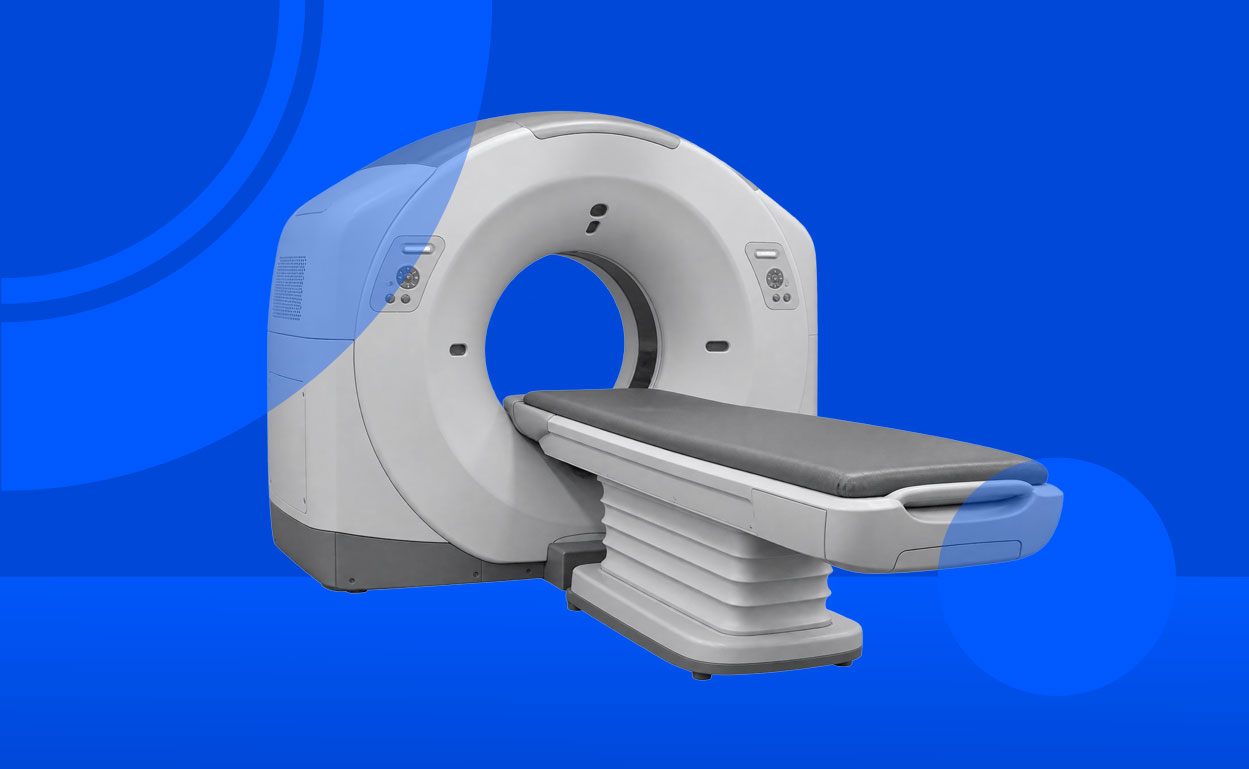
Cat Scan Machine
the summit
NEWS

Radiology Claims Review Highlights Diagnostic Risk and Communication Gaps

Diagnosis-related allegations accounted for 75% of 735 closed radiology malpractice claims reviewed by The Doctors Company, according to coverage of its November 2026 analysis. The findings give brokers a concrete starting point for conversations about how radiology practices interpret studies, communicate findings and coordinate follow-up.

The review examined claims from 2010 through 2025. As Medical Liability Monitor reports, 42% resulted in indemnity payments, averaging approximately $456,000 among those paid cases.

Communication Deserves Attention Alongside Interpretation

Communication breakdowns appeared in approximately 26% of the claims, most often involving communication between clinicians. Radiology Business reports that claims involving communication factors had an average indemnity payment of approximately $518,000, compared with approximately $487,000 for those involving clinical judgment factors.

These figures describe different aspects of the claims and should not be added together. They also do not establish how frequently an individual practice will experience a claim or predict the cost of its next loss.

Our team is your team.

Talk with us about radiology coverage.

A Finding Must Reach the Next Clinician

The Doctors Company’s review includes a case involving a suspected lung mass identified on a chest X-ray that was not communicated to the cardiologist. The resulting delay in diagnosis allowed the cancer to metastasize, and the patient died.

The example makes the operational issue tangible: identifying an abnormality is only part of the diagnostic process. Communicating the finding and establishing responsibility for the next step also deserve attention when a practice evaluates its risk management procedures.

What Brokers Can Bring to the Conversation

For brokers, the findings support asking how a practice handles urgent results, incidental findings and communication with referring clinicians. Useful questions include who receives a significant finding, how receipt is confirmed and what happens when the intended recipient cannot be reached.

Those discussions can also help brokers develop a clearer description of the practice’s services and relationships for a coverage review. A practice providing remote interpretations, for example, should be able to explain how findings move between its radiologists and the clinicians responsible for ongoing care.

The report offers evidence for a more specific client conversation about diagnostic workflows and communication responsibilities. It does not establish an appropriate liability limit or determine how an individual policy will respond.